We live in a world obsessed with multitasking.
People are watching TV while texting their friends while uploading photos of their meal while tweeting about the NBA free agency. Although productive multitasking can be viewed as a skill, it becomes a problem for people when can’t disconnect and get to the point where they will even multitask behind the wheel of a car.

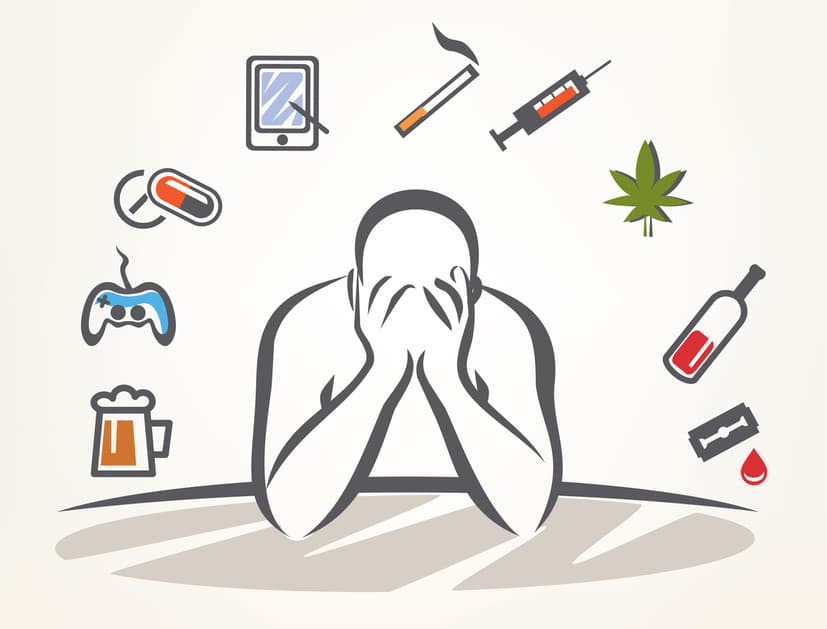
The Department Of Transit defines distracted driving as any non-driving activity someone does while driving that could potentially distract them and raise the risk of crashing. Texting and talking on the phone fall into this category, but so does, being under the influence of a substance, spending forever picking something to bump out the aux, heck I was on route 110 today and saw a dude shaving.
The book states that “Distracted driving kills at least over 3.000 people per year and injures and over 420,000 more drunk and drugged driving.” To me, this is troublesome but believable. I hope we can all attempt to focus on things, one thing at a time and prioritize tasks for the safety of others. The most concerning issue of distracted driving is drugged or drunk driving as the book states “Driving under the influence of alcohol greatly increases the risk of being involved in a motor vehicle crash. Of all drivers between the ages of 21 and 24 involved in fatal crashes, nearly 1 out of 3 were legally drunk.” I’ve known plenty of people who have lost either their life or livelihood from this mal-advised practice and am advising you to avoid it at all cost.
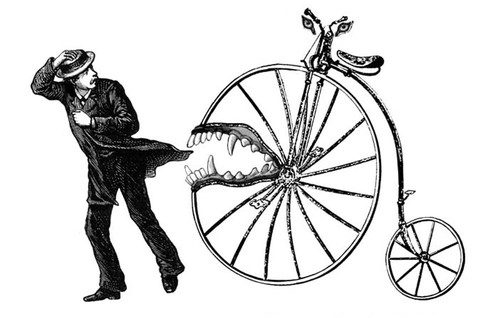
As much as I love cursing out those spandex clad bikers damn near straddling the double yellows when they have a perfectly good bike lane, they are worthy of life so put everything else down, and just drive. The book states “The NHTSA reports that 818 bicyclists died in traffic collisions in 2015, and 45,000 were injured. 74 Most fatal collisions occur at nonintersections (60 percent) between 4:00 p.m. and midnight. Alcohol plays a significant role in bicycle deaths and injuries; in about one-third of all fatal crashes between motor vehicles and bicycles, either the driver or the cyclist was drunk.” As much as I tease cyclists, I think it is crucial that we watch out for bikers as they get to point A to point B while lowering their carbon footprint.

In conclusion, whatever you are doing besides driving, it can wait as your life and that of others are worth more than whatever fomo you incur. This technologically-induced distractibility doesn’t relate too well with my goal of eating healthier but I suppose it keeps me from mowing a pulled pork sammy sosa with that Carolina gold while Im driving and should be focused on the road.

Chapter 14
The
quote from the book that rattled me the most was when the text cited that “Zen master Thich Nhat Hanh has described humans living in a rapidly deteriorating planet as ‘a group of chickens fighting desperately over a few seeds of grain, unaware that in a few
hours, they will all be killed.”’ This is a perfect depiction of our current socio-economic climate in that it revolves around the ideology as Rza’s sings, “Bottom line, we ‘bout that bottom line”. Rather than focusing on undoing the crimes of the times; environmental
degradation through single use plastics, non-renewable energy use, and unsustainable farming practices, we scrape out what we can and look away from the long term consequences. In this life, however, there is no rewind, so I suggest that you try to spend your
time wisely before you meet your demise. See what you can do for your community. Go clean up the beach or a local park. Be more mindful of your carbon foot-print and consumption habits. Meanwhile, the Meatless Mondays group explains why my goal is beneficial
to the greater environmental health of the planet. They show Environmental Protection Agency (EPA) statistics about going meatless for one day a week. This one got me thinking: If all the people sign up for Meatless Mondays and/or gardein followers substituted
out a hamburger for a veggie burger every Monday for one year we would save enough energy to charge 10 billion smartphones.
:brightness(10):contrast(5):no_upscale()/GettyImages-183418541-5758677e5f9b5892e82e53d0.jpg)
Clearly,
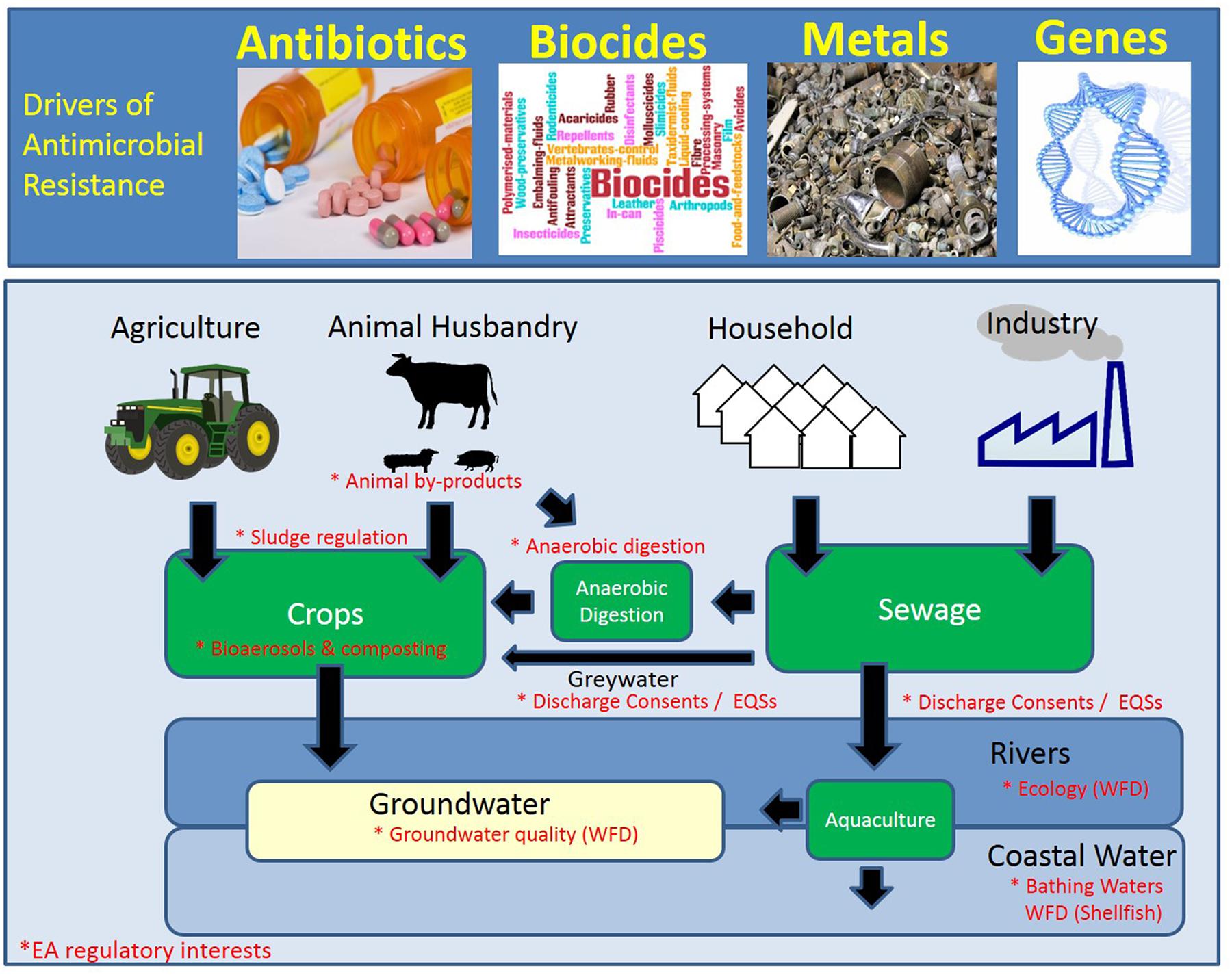
small changes done by lots of people can have a huge impact. I also liked how this chapter related back to my health goal, especially when it talked about runoff in section 14.5. “Many other toxic substances also flow into our waterways. Point source pollutants
enter a waterway at a specific location such as a ditch or pipe; the two major entry points are sewage treatment plants and industrial facilities. Nonpoint source pollutants—runoff and sedimentation—drain or seep into waterways from soil erosion and sedimentation,
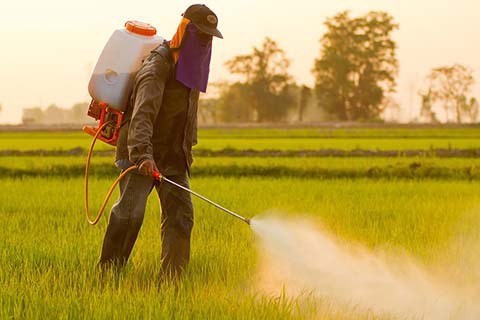
construction wastes, pesticide and fertilizer runoff, street runoff, acid mine drainage, wastes from engineering projects, leakage from septic tanks, and sewage sludge”. This is very concerning because as our waterways get more polluted, our fish and drinkable
water become even more contaminated which in turn contaminates us.
So what can you do? I recommend bringing your own reusable, washable grocery bags to the store, buy foods that are produced sustainably or organically or foods produced with fewer chemicals and pesticides or by eating more vegetables and nuts, legumes, and other food crops and reducing consumption of meat, dairy, and animal products, thus lessening your carbon, water, and pollutant footprints. In other words, people, let’s stop stomping on the planet.
Another point that I found important was the idea of becoming more of a locavore. By purchasing locally produced foods you can reduce pollutants associated with transporting food long distances and greenhouse gases as well. The other benefit of eating local is that often the food is super fresh. The eggs from the farm around the corner from where I live are amazing!

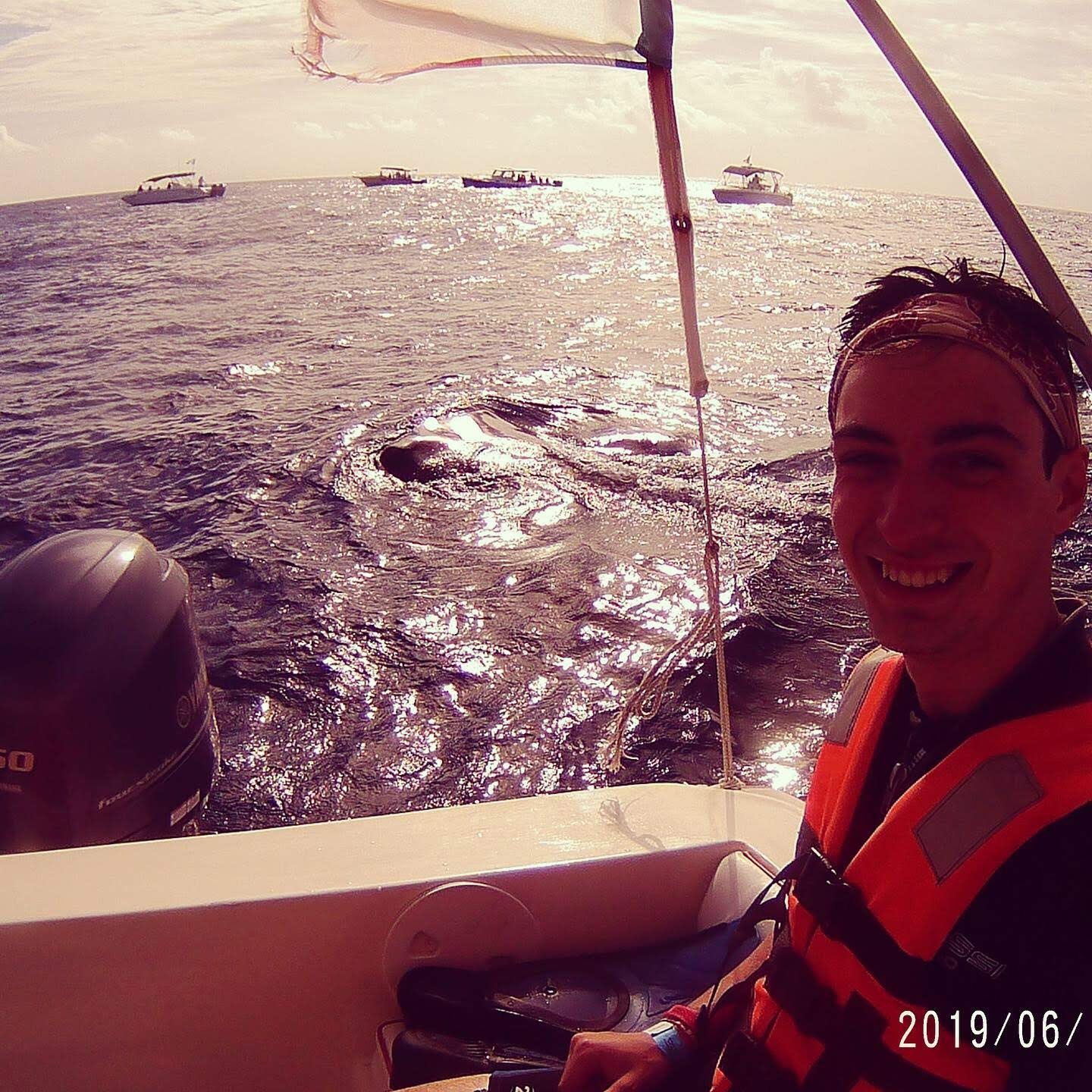
I agree with the authors of this book, who recommend a decrease in the use of single-use plastic by saying, “Do not buy plastic bottles of water. Purchase a hard plastic or stainless steel water bottle, and fill it from a filtered source.” Last month, while traveling in Mexico, I was able to swim with whale sharks where the Gulf of Mexico and the Carribean sea meet. The tour guides were very strict about the environmental impact of these tours and have a great respect for the animals and our shared habitat. Mexicans seem to realize that their tourist industry is heavily based on the health of the natural environment. There is a natural resource tax that all hotel guests must pay (about 20 pesos or $1.00/day). Most tour companies now require that you use the most stringently monitored coral-safe sunscreen and absolutely no single use plastic bottles. Good for them. They seem to understand what Tony Juniper who writes for The Guardian says about the relationship between the environment and the economy, “Nature is not a drag on growth – its protection is an unavoidable prerequisite for sustaining economic development.” In conclusion, the most important thing you can do is to plan well, attempt small sustainable steps like attempting to reduce food waste and/or eating cleaner and low on the food chain.
Chapter 15
The quote I related to strongly in the chapter was the first thing I saw “As the health care industry has become more sophisticated in seeking your business, so must you become more sophisticated in purchasing its products and services. Acting responsibly in times of illness can be difficult, but the person best able to act on your behalf is you.” It is easy to ignore your health problems and that can exacerbate them so you must learn to self-advocate. However, as the system becomes so sophisticated and although it is supposedly not for profit, it can’t hurt to have friends and family who are knowledgeable and who are able to stream-line processes, help you avoid unnecessary tests and procedures, and expedite your treatment and your return to good health. My goal for this class epitomizes the old axiom, “An ounce of prevention is worth a pound of cure.”

Self
care is also an important part of keeping yourself together mentally, physically, and spiritually. In the book they describe self care as “Practicing behaviors that promote health and prevent disease can minimize your reliance on the formal medical system.
Self-care consists of knowing your body, paying attention to its signals, and taking appropriate action to stop the progression of illness or injury.” It is important to avoid classifying negative behaviors such as “retail therapy”, “liquid therapy” and so
called comfort foods as self care because these may just be masking or exacerbating a mental or physical health problem. A healthy form of self care can be found utilizing the holistic method. The book qualifies the holistic method as “care that focuses on
the mind and the whole body rather than just an isolated symptom or body part. They may also desire an approach to healing that allows them a measure of control. Mindfulness meditation, for example, has been shown to increase patients’ sense of control over
their symptoms and treatment and, as a result, to reduce individual health care utilization.” It is important to mix in alternative forms of treatment like this as I truly believe burning sage has rid the evil spirits and their bad vibes from my house. Okay,
seriously though, I believe that fish oils are great for your skin, ginseng is nice for maintaining a calm focus for schoolwork, and B6-12 tabs are a great help with stress relief.
I also think that you should try to avoid using steroids for skin issues if you can, because it will runoff from your shower drain and either pollute the fish population or make them strong and smart enough to use tools to build a rival underwater society that will eventually take over and control of all of the water purification facilities where we will be forced to work just to maintain our right to breathe. But in due time we will overthrow our aquatic overlords and retake the aqueduct! FOR GAIAAA!!

You may be thinking, why is this foil-hat wearing man yelling this nonsense near me? Although this is clearly hyperbole, some version of this could be in our future if we don’t start reducing our global footprint. In conclusion your health and the health of the ecosphere that you inhabit are in your hands and it is up to you to find your own sustainable way to make positive changes. I am for now, going to continue to work towards my goals; eating organically and lower on the food chain.
It’s been a pleasure y’all.














 Max's summer health and wellness exposé